


-36x36.jpg)





Rechargeable Vape

0
66
Charge Your Cigarette: The Future of Smoking Innovation
Discover the future of smoking innovation with "Charge Your Cigarette." Explore cutting-edge technology redefining how we light up and enjoy every puff!
The Evolution of Smoking Devices
The history of smoking devices is a fascinating journey that has evolved from primitive methods to sophisticated technology. Originally, smoking involved simple tools like pipes and rolled leaves. Ancient civilizations, such as the Mayans and Aztecs, used hollow reeds to inhale the smoke of burning tobacco. These rudimentary methods were largely driven by cultural and ritualistic purposes, with tobacco being a sacred plant for many.
The invention of the cigarette in the 19th century marked a significant shift. Cigarettes were easier to produce and consume, leading to their widespread popularity. The industrial revolution and advancements in manufacturing processes enabled mass production, making cigarettes accessible to the general public. This era also saw the rise of famous cigarette brands, which became household names and cultural icons.
In recent decades, the landscape of smoking devices has changed dramatically with the advent of electronic cigarettes (e-cigarettes) and vaporizers. These devices leverage modern technology to provide a different smoking experience, focusing on reduced harm and enhanced convenience. E-cigarettes, which hit the market in the early 2000s, use battery-powered heating elements to vaporize a liquid solution containing nicotine. This innovation has paved the way for the latest breakthrough in smoking technology: charged cigarettes.
What Are Charged Cigarettes?
Charged cigarettes represent the next frontier in the evolution of smoking devices. Unlike traditional cigarettes, which rely on combustion, charged cigarettes utilize a battery-powered heating element to generate smoke or vapor. This method of heating tobacco or a nicotine-containing liquid eliminates the need for an open flame, making the process safer and more convenient.
At the core of charged cigarettes is a compact and efficient battery that powers the heating element. When the user inhales, the battery activates, heating the substance to the optimal temperature for vaporization. This process ensures consistent and controlled delivery of nicotine, providing a smoother and more satisfying smoking experience. Additionally, charged cigarettes often feature customizable settings, allowing users to adjust the temperature and nicotine levels according to their preferences.
Another defining characteristic of charged cigarettes is their sleek and modern design. Many models resemble traditional cigarettes in size and shape, making the transition for smokers more seamless. However, the advanced technology and added functionalities set them apart. Features such as LED indicators, rechargeable batteries, and replaceable cartridges enhance the overall user experience, making charged cigarettes a compelling alternative to conventional smoking methods.
Benefits of Using Charged Cigarettes
One of the most significant benefits of using charged cigarettes is the reduction of harmful chemicals. Traditional cigarettes produce thousands of toxic substances through the combustion process, many of which are carcinogenic. In contrast, charged cigarettes eliminate combustion, significantly reducing the release of harmful chemicals. This makes them a potentially less harmful option for smokers who are concerned about their health.
Convenience is another major advantage of charged cigarettes. The absence of an open flame means there's no need for lighters or matches, reducing the risk of accidental fires. Additionally, the rechargeable nature of these devices means that users don't have to constantly purchase new packs of cigarettes. Instead, they can simply recharge their device and replace the nicotine cartridges as needed. This not only saves money in the long run but also reduces waste.
Charged cigarettes also offer a more customizable smoking experience. Many devices allow users to adjust the temperature and nicotine levels, catering to individual preferences. This level of control can be particularly beneficial for those looking to reduce their nicotine intake gradually. Furthermore, the ability to choose from a variety of flavors adds an element of enjoyment and personalization that traditional cigarettes can't match.
Environmental Impact of Charged Cigarettes
The environmental impact of smoking is a growing concern, with traditional cigarettes contributing significantly to pollution. Cigarette butts, made of non-biodegradable materials like cellulose acetate, are one of the most common forms of litter. They can take years to decompose, leaching harmful chemicals into the soil and waterways. The production process of conventional cigarettes also involves significant resource consumption, including tobacco farming, paper production, and transportation.
Charged cigarettes offer a more environmentally friendly alternative. The rechargeable nature of these devices means fewer disposable products are needed, reducing waste. The cartridges used in charged cigarettes are often made from recyclable materials, further minimizing their environmental footprint. Additionally, the absence of combustion means there's no ash or residual smoke, contributing to cleaner air quality.
However, it's essential to consider the environmental impact of the electronic components in charged cigarettes. Batteries and electronic circuits require specific disposal methods to prevent harmful substances from entering the environment. Many manufacturers are addressing this issue by implementing recycling programs and using sustainable materials in their products. As technology advances, we can expect even more eco-friendly innovations in the realm of charged cigarettes.
Comparison with Traditional Cigarettes
When comparing charged cigarettes to traditional cigarettes, several key differences stand out. One of the most notable distinctions is the method of nicotine delivery. Traditional cigarettes rely on burning tobacco, which releases nicotine along with thousands of other chemicals. Charged cigarettes, on the other hand, use a heating element to vaporize a nicotine solution, reducing the number of harmful substances inhaled.
Another critical difference is convenience. Traditional cigarettes require an open flame, which can be inconvenient and pose a fire hazard. Charged cigarettes eliminate this need, making them easier and safer to use. The rechargeable nature of these devices also means that users don't have to constantly purchase new packs, adding a layer of convenience that traditional cigarettes lack.
In terms of cost, charged cigarettes can be more economical in the long run. While the initial investment in a charged cigarette device may be higher, the ongoing costs are typically lower. Users only need to replace the nicotine cartridges and occasionally the battery, which can be more cost-effective than continually buying packs of traditional cigarettes. Additionally, the customizable nature of charged cigarettes allows for a more personalized and enjoyable smoking experience, further highlighting their advantages over traditional options.
Health Considerations and Safety Measures
Health considerations are a crucial aspect of the smoking debate, and charged cigarettes offer several potential benefits in this area. By eliminating combustion, charged cigarettes significantly reduce the intake of harmful chemicals and carcinogens. This can potentially lower the risk of smoking-related diseases, such as lung cancer and chronic obstructive pulmonary disease (COPD). However, it's essential to note that while charged cigarettes may be less harmful than traditional ones, they are not entirely risk-free.
Nicotine addiction remains a significant concern with charged cigarettes. While these devices allow for controlled nicotine delivery, they can still lead to dependence. It's crucial for users to be aware of their nicotine intake and to use these devices responsibly. Many charged cigarettes come with safety features, such as automatic shut-off mechanisms and temperature control, to prevent overheating and ensure a safer smoking experience.
Regulation and quality control are also vital in ensuring the safety of charged cigarettes. As the market for these devices grows, it's essential for manufacturers to adhere to strict standards and for regulatory bodies to enforce compliance. This includes proper labeling, ingredient transparency, and rigorous testing to ensure the safety and efficacy of the products. Consumers should also be cautious and choose reputable brands to minimize health risks.
Market Trends and Consumer Preferences
The market for charged cigarettes has seen significant growth in recent years, driven by a combination of technological advancements and changing consumer preferences. As awareness of the health risks associated with traditional smoking increases, more smokers are seeking alternatives that offer a reduced harm profile. Charged cigarettes cater to this demand by providing a modern, convenient, and potentially safer option.
Consumer preferences are also shifting towards more customizable and enjoyable smoking experiences. Charged cigarettes offer a variety of flavors and nicotine strengths, allowing users to tailor their smoking experience to their liking. This level of personalization is appealing to many smokers, particularly younger demographics who value individuality and choice. The sleek and modern design of charged cigarettes also adds to their appeal, making them a fashionable accessory in addition to a smoking device.
The rise of online retail and social media has also played a significant role in the growth of the charged cigarette market. E-commerce platforms make it easy for consumers to purchase and explore a wide range of products, while social media influencers and online communities help spread awareness and reviews. This digital landscape has created a more informed and engaged consumer base, driving demand for innovative smoking solutions like charged cigarettes.
Future Predictions for Smoking Technology
Looking ahead, the future of smoking technology is poised for even more remarkable advancements. As research and development continue, we can expect charged cigarettes to become even more efficient, customizable, and user-friendly. Innovations in battery technology, for example, could lead to longer-lasting and faster-charging devices, further enhancing the convenience of charged cigarettes.
Another exciting area of development is the integration of smart technology. Future charged cigarettes could feature advanced sensors and connectivity, allowing users to monitor their nicotine intake and receive personalized recommendations through mobile apps. This level of data-driven customization could help users better manage their smoking habits and make more informed choices about their nicotine consumption.
Sustainability will also play a crucial role in the future of smoking technology. As environmental concerns continue to grow, manufacturers will likely focus on creating more eco-friendly products. This could include the use of biodegradable materials, improved recycling programs, and more energy-efficient devices. The goal will be to minimize the environmental impact of smoking while providing a satisfying and enjoyable experience for users.
Conclusion: Embracing the Future of Smoking
The future of smoking is undeniably exciting, with charged cigarettes leading the way in innovation and modernization. These advanced devices offer numerous benefits, from reduced harm and increased convenience to customizable experiences and environmental sustainability. As technology continues to evolve, we can expect even more groundbreaking developments that will redefine the way we think about smoking.
For smokers looking to make a change, charged cigarettes present a compelling alternative to traditional methods. By embracing this new technology, users can enjoy a safer, more convenient, and personalized smoking experience. While challenges remain, such as regulatory oversight and health considerations, the potential of charged cigarettes to transform the smoking landscape is undeniable.
In conclusion, "Charge Your Cigarette" is more than just a catchy phrase—it's a glimpse into the future of smoking innovation. As we move forward, the continued advancement of smoking technology promises to create a healthier, more sustainable, and enjoyable experience for smokers everywhere. The future is bright, and the time to embrace charged cigarettes is now.
..

0
80
Legal Regulations and Age Restrictions
As vaping has grown in popularity, governments and regulatory bodies around the world have implemented laws and restrictions to address concerns related to public health and safety. These regulations vary widely from one country to another, and even within different regions of the same country. Understanding the legal landscape of vaping is essential for ensuring compliance and making informed decisions.
One of the most common regulations related to vaping is the minimum age requirement for purchasing and using vape products. In many countries, the legal age for vaping is set at 18 or 21, similar to the age restrictions for purchasing tobacco and alcohol. These age limits are designed to prevent minors from accessing vape products and to reduce the risk of nicotine addiction among young people. Retailers are typically required to verify the age of customers before selling vape products, and failure to do so can result in fines and other penalties.
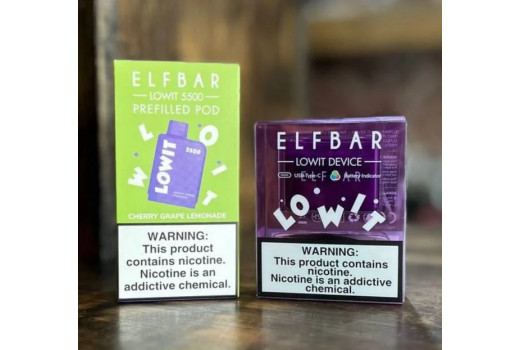
Another key area of regulation is the labeling and packaging of e-liquids and vape devices. Many countries have implemented strict requirements for the labeling of e-liquids, including warnings about the presence of nicotine and other potential health risks. Child-resistant packaging is also often mandated to prevent accidental ingestion by children. These regulations are intended to ensure that consumers are fully informed about the products they are using and to reduce the risk of accidental exposure.
Advertising and marketing of vape products are also subject to regulation in many regions. Restrictions on advertising are designed to prevent the promotion of vaping to minors and to limit the potential for misleading claims about the safety and benefits of vaping. In some countries, advertising of vape products is banned entirely, while others allow limited advertising with specific restrictions. These regulations aim to balance the promotion of vaping as a harm reduction tool with the need to protect public health.
Public use of vape devices is another area where regulations vary widely. Some regions have implemented restrictions on where vaping is allowed, similar to smoking bans. This can include prohibitions on vaping in indoor public spaces, workplaces, and near schools and playgrounds. These regulations are designed to reduce exposure to secondhand vapor and to address concerns about the normalization of nicotine use. It's important for vapers to be aware of local regulations and to vape responsibly in public spaces.
..
0
93
Conclusion: The Future of Vaping
The future of vaping is a topic of much debate and speculation, with many factors influencing its trajectory. Technological advancements, evolving regulations, and shifting public perceptions will all play a role in shaping the future of vaping. While the long-term health effects of vaping are still being studied, the potential for harm reduction and smoking cessation makes it an important area of focus for public health.
Technological innovation will continue to drive the evolution of vape devices and e-liquids. As manufacturers develop more advanced and user-friendly products, the vaping experience is likely to become even more customizable and satisfying. Innovations in battery technology, coil design, and e-liquid formulations will offer new possibilities for vapers and may help address some of the existing health and safety concerns.
Regulations will also play a critical role in the future of vaping. Governments and regulatory bodies will need to strike a balance between protecting public health and supporting harm reduction efforts. This may involve implementing stricter quality standards for e-liquids, enforcing age restrictions, and regulating advertising and public use. Collaborative efforts between industry stakeholders, public health organizations, and regulators will be essential for ensuring that vaping remains a viable and safe alternative to smoking.
Public perceptions of vaping will continue to evolve as more research becomes available and as vaping culture grows. Efforts to educate the public about the relative risks and benefits of vaping compared to smoking will be crucial for shaping informed opinions. The role of influencers, advocacy groups, and the media will also be important in shaping public perceptions and promoting a balanced understanding of vaping.
In conclusion, vaping has transformed the landscape of nicotine consumption and offers a potentially less harmful alternative to smoking. Understanding the anatomy, science, and types of vape devices, as well as the ingredients and safety considerations of e-liquids, is essential for making informed choices. As vaping continues to evolve, staying informed about regulations and public health developments will be key to navigating the future of this rapidly changing industry.
..

0
84
The Rise of Vaping Culture
The emergence of vaping has given rise to a unique and vibrant culture that extends beyond the act of vaping itself. This culture encompasses a wide range of activities, communities, and trends, all of which contribute to the growing popularity and acceptance of vaping. From online forums and social media groups to vape shops and conventions, the vaping community is diverse and dynamic.
Online platforms have played a significant role in the development of vaping culture. Websites, forums, and social media groups provide a space for vapers to share information, ask questions, and connect with others who share their interests. These online communities offer support and advice for both new and experienced vapers, fostering a sense of belonging and camaraderie. Influencers and reviewers also play a crucial role in shaping trends and preferences within the vaping community, offering insights and recommendations on the latest products and techniques.
Vape shops and lounges have become important hubs for the vaping community, offering a place for vapers to gather, socialize, and try new products. These establishments often host events, such as cloud competitions and vape meets, where enthusiasts can showcase their skills and compete for prizes. The sense of community and shared passion found in vape shops and lounges is a key aspect of vaping culture, providing a welcoming environment for vapers of all backgrounds.
Conventions and expos dedicated to vaping have also become increasingly popular, attracting thousands of attendees from around the world. These events showcase the latest innovations in vape technology, e-liquids, and accessories, while also offering educational workshops and networking opportunities. Vaping conventions provide a unique opportunity for enthusiasts to connect with manufacturers, influencers, and fellow vapers, further strengthening the sense of community within the culture.
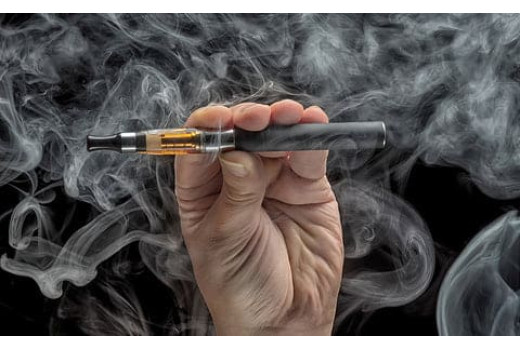
The rise of vaping culture has also led to the development of new trends and subcultures within the community. For example, cloud chasing, the practice of producing large vapor clouds, has become a popular pursuit among some vapers. This has led to the development of specialized equipment and techniques designed to maximize vapor production. Similarly, the DIY (do-it-yourself) subculture has emerged, with vapers creating their own e-liquids and building custom coils to achieve their desired experience.
..
0
78
Vaping vs. Smoking: Key Differences
The debate between vaping and smoking has been ongoing since e-cigarettes were first introduced. Understanding the key differences between these two methods of nicotine consumption is essential for making an informed choice. While both involve inhaling a substance, the processes, health risks, and user experiences are markedly different.
One of the most significant differences between vaping and smoking is the absence of combustion in vaping. Traditional cigarettes rely on the burning of tobacco to produce smoke, which contains thousands of harmful chemicals, including tar and carbon monoxide. These substances are responsible for many of the health risks associated with smoking, such as lung cancer, heart disease, and respiratory issues. In contrast, vaping involves the vaporization of e-liquid, which eliminates the combustion process and significantly reduces the number of harmful chemicals inhaled.
The health risks associated with vaping are generally considered to be lower than those of smoking, although not entirely absent. While e-liquids do contain nicotine and other chemicals, they lack the tar and many of the carcinogens found in cigarette smoke. This makes vaping a potentially less harmful alternative for those looking to quit smoking. However, it's important to note that the long-term health effects of vaping are still not fully understood, and caution should be exercised.
Another key difference between vaping and smoking is the level of customization and control available to the user. Traditional cigarettes offer little in the way of customization, with users typically choosing between different brands and nicotine strengths. Vaping, on the other hand, allows users to customize nearly every aspect of their experience, from the type of device and coil to the flavor and nicotine strength of the e-liquid. This level of control can make vaping more satisfying and enjoyable for many users.
The social and cultural aspects of vaping and smoking also differ significantly. Smoking has long been associated with social rituals and stigmas, and it is increasingly restricted in public spaces due to health concerns. Vaping, while still subject to regulations, is often viewed as a more socially acceptable alternative. The rise of vaping culture, with its own communities, events, and influencers, has further differentiated it from traditional smoking.
..

0
73
Safety and Health Considerations
While vaping is generally considered to be less harmful than smoking, it is not without its risks. Understanding the safety and health considerations associated with vaping is crucial for making informed decisions and minimizing potential harm. This includes being aware of the ingredients in e-liquids, the potential for battery accidents, and the long-term health effects of inhaling vapor.
One of the primary concerns with vaping is the presence of harmful chemicals in some e-liquids. While reputable manufacturers adhere to strict quality standards, there have been instances of e-liquids containing harmful substances such as diacetyl, a chemical linked to lung disease. It's important to purchase e-liquids from reputable sources and to check for lab testing and quality certifications. Avoiding e-liquids with unknown or questionable ingredients can help reduce the risk of exposure to harmful chemicals.
Battery safety is another important consideration for vapers, particularly those using advanced devices with replaceable batteries. Lithium-ion batteries, while generally safe, can pose a risk of overheating, leaking, or even exploding if not handled properly. It's essential to use the correct type of battery for your device, to avoid overcharging or discharging the battery, and to store batteries safely when not in use. Using a dedicated battery charger and following manufacturer guidelines can help prevent battery-related accidents.
The long-term health effects of vaping are still being studied, but there is evidence to suggest that inhaling vapor can have negative effects on the respiratory system. While vaping is less harmful than smoking, it is not completely risk-free. Some users may experience symptoms such as coughing, throat irritation, or shortness of breath. It's important to monitor your health and to seek medical advice if you experience any concerning symptoms. Reducing nicotine intake and avoiding high-temperature vaping can help mitigate some of these risks.
..

0
72
E-Liquids: Ingredients and Flavor Profiles
E-liquids, also known as vape juice or e-juice, are the lifeblood of any vape device. These liquids come in a wide variety of flavors and nicotine strengths, allowing users to tailor their vaping experience to their individual preferences. Understanding the ingredients and flavor profiles of e-liquids is essential for making informed choices and enjoying a satisfying vape.
The primary ingredients in e-liquids are propylene glycol (PG), vegetable glycerin (VG), nicotine, and flavorings. Propylene glycol is a thin, colorless liquid that is used as a carrier for the flavorings and nicotine. It produces a strong throat hit, similar to that of a traditional cigarette, which many users find satisfying. Vegetable glycerin is a thicker, sweeter liquid that produces large vapor clouds. It is often used in higher concentrations in e-liquids intended for cloud chasing.
Nicotine is the addictive substance found in tobacco, and it is included in e-liquids to provide a similar sensation to smoking. E-liquids come in a range of nicotine strengths, from nicotine-free to high concentrations. This allows users to gradually reduce their nicotine intake if they wish to quit smoking. It's important to choose a nicotine strength that matches your needs and preferences to avoid overconsumption or dissatisfaction.
Flavorings are what give e-liquids their distinctive tastes and aromas. These flavorings are food-grade and come in a wide variety of options, from traditional tobacco and menthol to exotic fruits and desserts. Some e-liquids even combine multiple flavors to create complex and unique profiles. The flavor possibilities are nearly endless, allowing users to find an e-liquid that perfectly suits their tastes.
When choosing an e-liquid, it's important to consider the PG/VG ratio. A higher PG ratio will produce a stronger throat hit and more intense flavors, while a higher VG ratio will produce larger vapor clouds and a smoother inhale. Many e-liquids offer a balanced 50/50 ratio, providing a good compromise between throat hit and vapor production. Experimenting with different ratios can help you find the perfect balance for your vaping experience.
..
0
74
Types of Vapes: A Comprehensive Overview
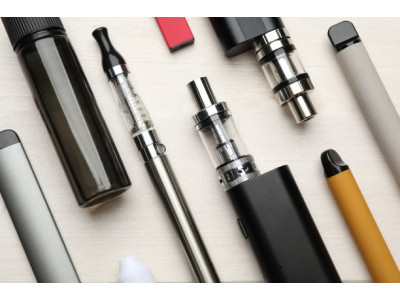
The world of vape devices is diverse, with a wide range of options available to suit different preferences and needs. Broadly speaking, vape devices can be categorized into several types: cig-a-likes, vape pens, box mods, pod systems, and mechanical mods. Each type offers unique features and benefits, making it important to understand the differences before choosing a device.
Cig-a-likes are the simplest and most lightweight type of vape device. As their name suggests, they are designed to look and feel like traditional cigarettes. These devices are often disposable and come pre-charged and pre-filled with e-liquid. While they are convenient and easy to use, they typically offer limited battery life and e-liquid capacity. Cig-a-likes are a good choice for those new to vaping or looking for a straightforward, no-fuss option.
Vape pens are a step up from cig-a-likes in terms of functionality and customization. These devices are cylindrical and slightly larger than cig-a-likes, offering longer battery life and larger e-liquid capacity. Vape pens usually feature replaceable coils and refillable tanks, giving users more control over their vaping experience. They are a popular choice for intermediate users who want a balance between convenience and performance.
Box mods represent the pinnacle of vaping technology, offering advanced features and high levels of customization. These devices are larger and box-shaped, with powerful batteries and sophisticated electronics. Box mods often come with variable wattage and temperature control settings, allowing users to fine-tune their vaping experience. They also typically feature larger tanks and sub-ohm coils, making them ideal for cloud chasers and advanced users. While box mods can be more complex to operate, they offer unparalleled performance and flexibility.
Pod systems are a relatively new addition to the vaping market, combining the convenience of cig-a-likes with the performance of vape pens. These devices use replaceable pods that contain both the e-liquid and the coil, making them easy to use and maintain. Pod systems are compact and portable, making them a popular choice for on-the-go vaping. They are particularly well-suited for use with nicotine salts, which provide a smoother and more satisfying nicotine hit at lower temperatures.
Mechanical mods, also known as mech mods, are the most specialized type of vape device. These devices have no electronic components and rely entirely on the mechanical action of the user to operate. Mech mods are typically used by experienced vapers who enjoy building their own coils and experimenting with different setups. While they offer unmatched customization, mech mods require a deep understanding of battery safety and coil building to use safely.
..
Showing 1 to 8 of 8 (1 Pages)